Why Do Men Struggle to Make Friends After 25
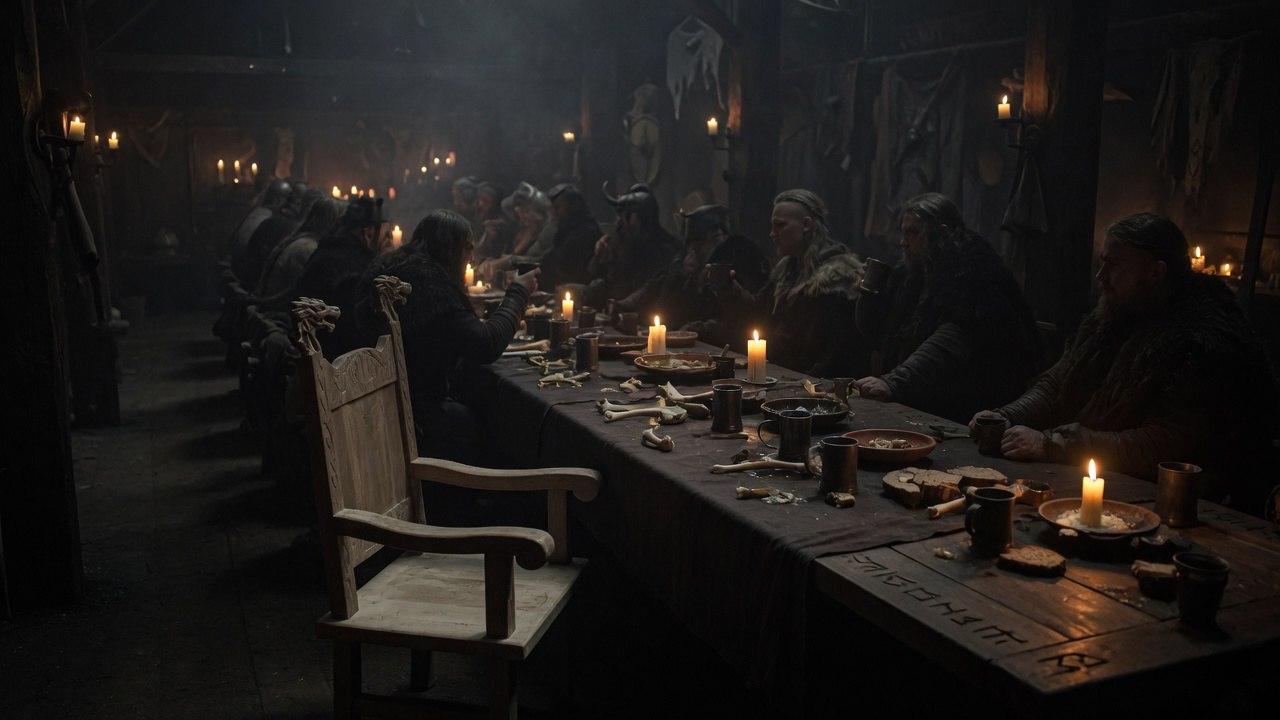
Men struggle to make friends after 25 because the social scaffolding of youth collapses. School forced proximity. Sports teams created artificial bonds. Shared struggles in dorm rooms or starter jobs built connections. After 25, you must actively forge friendships in a world that gives you no structure, no forced interactions, no shared hardships. Most men lack the skills for this hunt.
The mathematics are brutal. Studies show men lose friends faster than they gain them after their mid-twenties. While women maintain social networks through communication and emotional sharing, men's friendships traditionally centered around shared activities and proximity. Remove the basketball court, the fraternity house, the deployment, and what remains? Two strangers who once knew each other.
The Career Prison
Work devours friendship like winter devours daylight. You tell yourself networking events and happy hours with colleagues count as social connection. They do not. These are performance spaces where you wear a mask of competence and ambition. Real friendship requires the opposite—moments of weakness, admission of failure, the kind of raw honesty that would end your career if your boss overheard.
The man climbing the corporate ladder has little time for the slow work of friendship. He cancels dinner plans for client calls. He chooses overtime over bowling league. He moves to new cities for promotions, leaving behind the few connections he managed to build. Success becomes isolation dressed in a better suit.
Consider the typical 30-year-old professional. He works 50-hour weeks, commutes another 10 hours, maintains a relationship, perhaps raises children. Where in this schedule does friendship live? In the cracks between obligations, the tired hours after everyone else is asleep, the weekends already claimed by family duties and household maintenance.
The Vulnerability Gap
Modern masculinity creates men who are emotional islands. You learned early that feelings are weaknesses to be hidden. Tears bring mockery. Admitting confusion or fear marks you as less than. But friendship requires what masculinity forbids—the ability to be seen without your armor.
Real brotherhood is forged in moments when men drop their masks and admit they don't have all the answers.
Women call each other to discuss problems, feelings, relationships. They bond through shared emotional experiences. Men traditionally bonded through shared external experiences—building something, competing against someone, surviving something together. Remove those external frameworks, and many men lack the tools to connect soul to soul.
The man who learned to suppress his inner world struggles to share it with others. He makes conversation about weather, sports, work—safe topics that reveal nothing important. Meanwhile, potential friends wait for something real, some glimpse of the human beneath the performance. When that glimpse never comes, conversations remain shallow, and shallow conversations cannot support the weight of true friendship.
The Geographic Scatter
Adult life scatters men like seeds in a winter wind. College friends move to different cities. Work friends change companies. Childhood friends marry and disappear into suburban responsibilities. Each move, each job change, each life transition breaks bonds that took years to build.
Building new friendships in a new city as an adult man is archaeology in reverse—you must dig through layers of adult responsibility and social awkwardness to find someone willing to do the work alongside you. Most men would rather stay home than face the rejection and effort required.
The Digital Deception
Social media provides the illusion of connection without its substance. You see updates from hundreds of acquaintances, mistaking this for friendship. Liking posts becomes a substitute for conversation. Following someone's life online becomes a substitute for sharing your own.
Real friendship requires presence—physical, emotional, temporal. It requires showing up when showing up is inconvenient. It requires saying the hard truths when easy lies would preserve comfort. It requires time that cannot be scheduled efficiently or optimized away.
The path forward demands courage. Join activities where you might fail publicly—martial arts classes, hobby groups, volunteer work. Seek spaces where masks slip naturally. Most importantly, practice the lost art of vulnerability. Share your actual thoughts, your real struggles, your genuine questions about life. Risk the rejection that comes with being seen.
Friendship after 25 is not impossible. It simply requires intentionality that youth never demanded.